










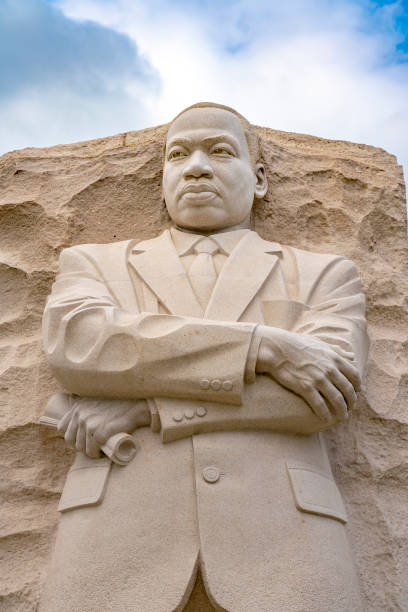
Every January, students enjoy a day off from school to honor Martin Luther King Jr.; however, beyond the long weekend, how many people actually take the time to reflect on what the holiday really means?
Dr. King was a leader of the Civil Rights Movement who believed in achieving change through nonviolent protest. During a time when segregation and racial discrimination were deeply engraved in American society, Martin Luther King Jr. helped bring national attention to racial injustice in the United States. His work played a major role in the passage of important civil rights laws, including ones that ended legal segregation and protected the voting rights of millions of Americans. He organized marches, boycotts, and peaceful protests to demand equal rights for Black Americans. Even in the face of violence, arrest, and opposition, Dr. King remained committed to peaceful change, making his message powerful and lasting.
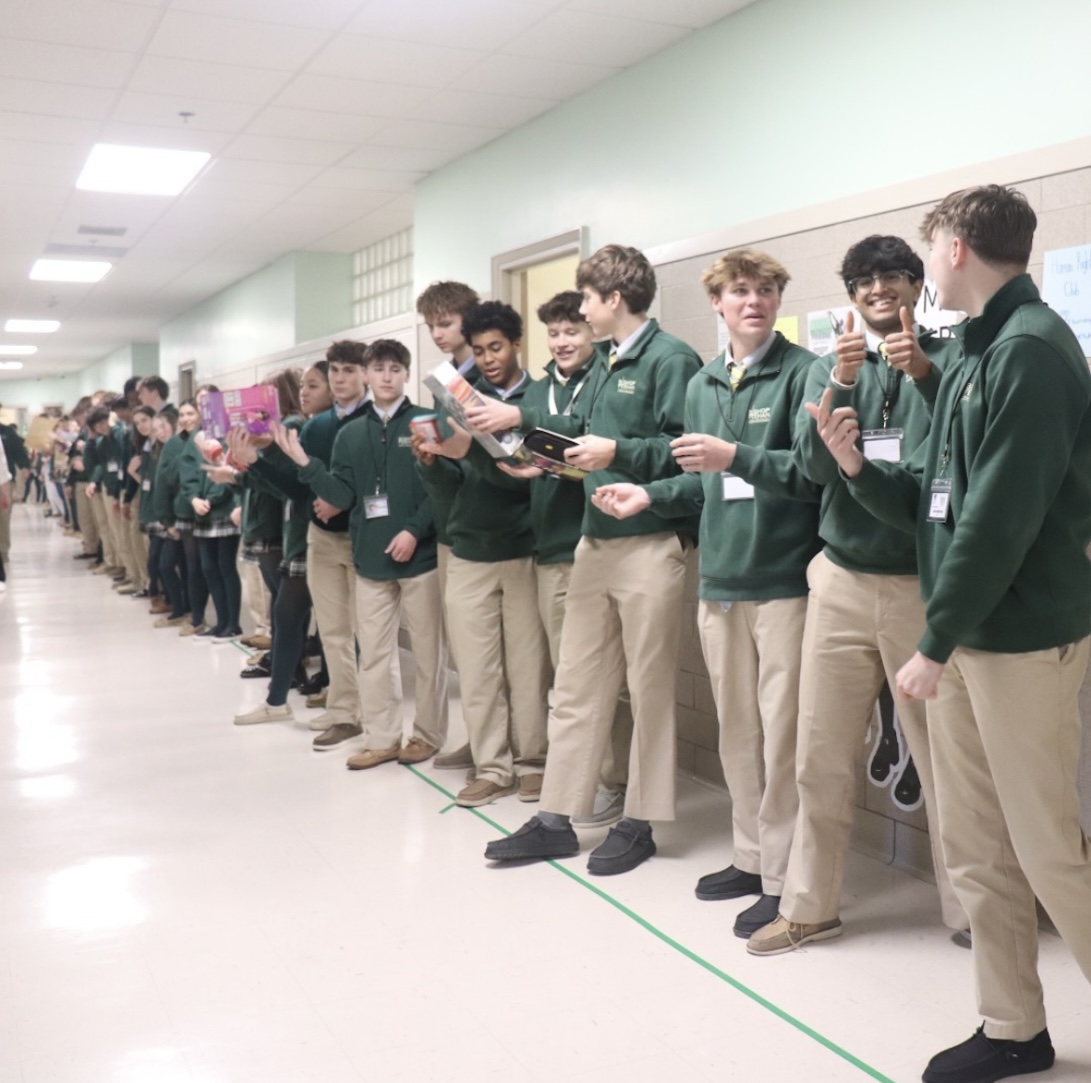
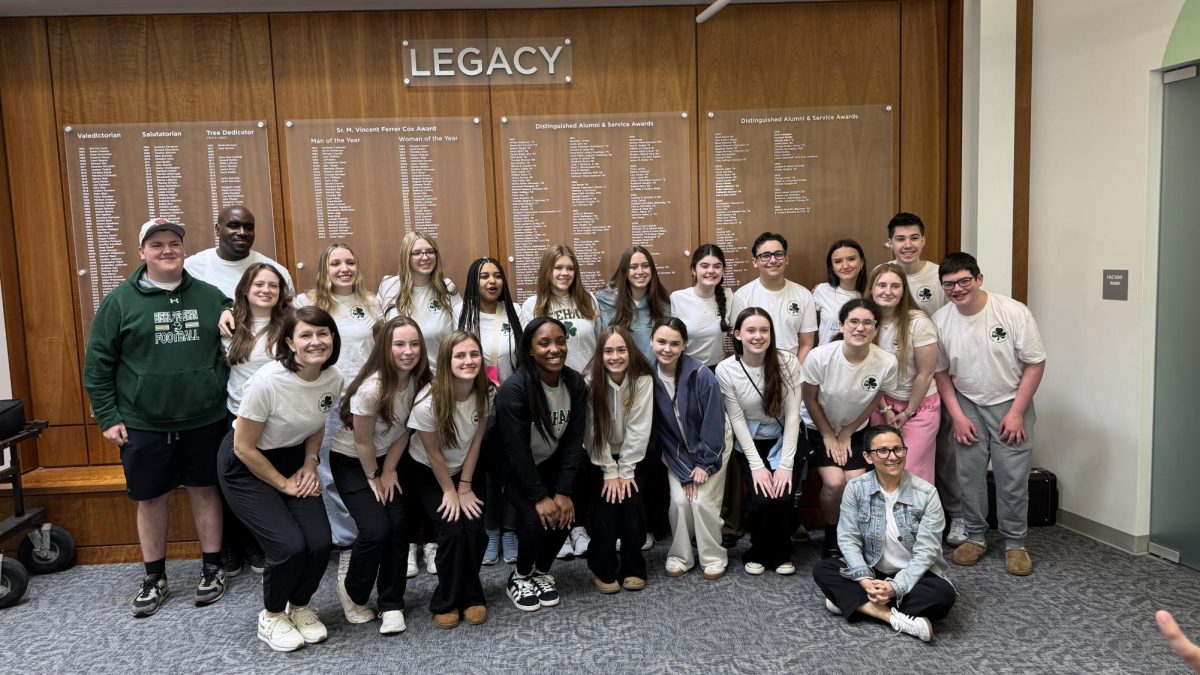
After Dr. King’s asassination in 1968, many Americans believed that his legacy should be honored nationwide. After years of advocacy, MLK Jr. Day was officially recognized as a federal holiday in 1983. The holiday was established not only to remember his achievements, but also to encourage reflection and civic engagement. The holiday is also recognized as a National Day of Service. It encourages Americans to volunteer and support their communities in ways that reflect Dr. King’s values. Schools, organizations, and local groups often host service events to continue the work he began.
In past years MLK day was recognized as a day of free admission to national parks. This symbolized access and equality in shared public spaces. However, due to recent policy changes, visitors are now required to pay the standard entrance fee on MLK day. This change has sparked conversations about how the holiday is acknowledged and whether its deeper meaning is being preserved.
Ultimately, this special day is an opportunity to reflect on the values that MLK stood for. Today, we can continue his work through service by volunteering, helping others in our communities, and standing up against racism and injustice. By taking action, we meaningfully honor his legacy and ensure that the message of the Civil Rights Movement lives on.